Sensory · 6 min read · November 2025
Understanding Vanilla Aroma
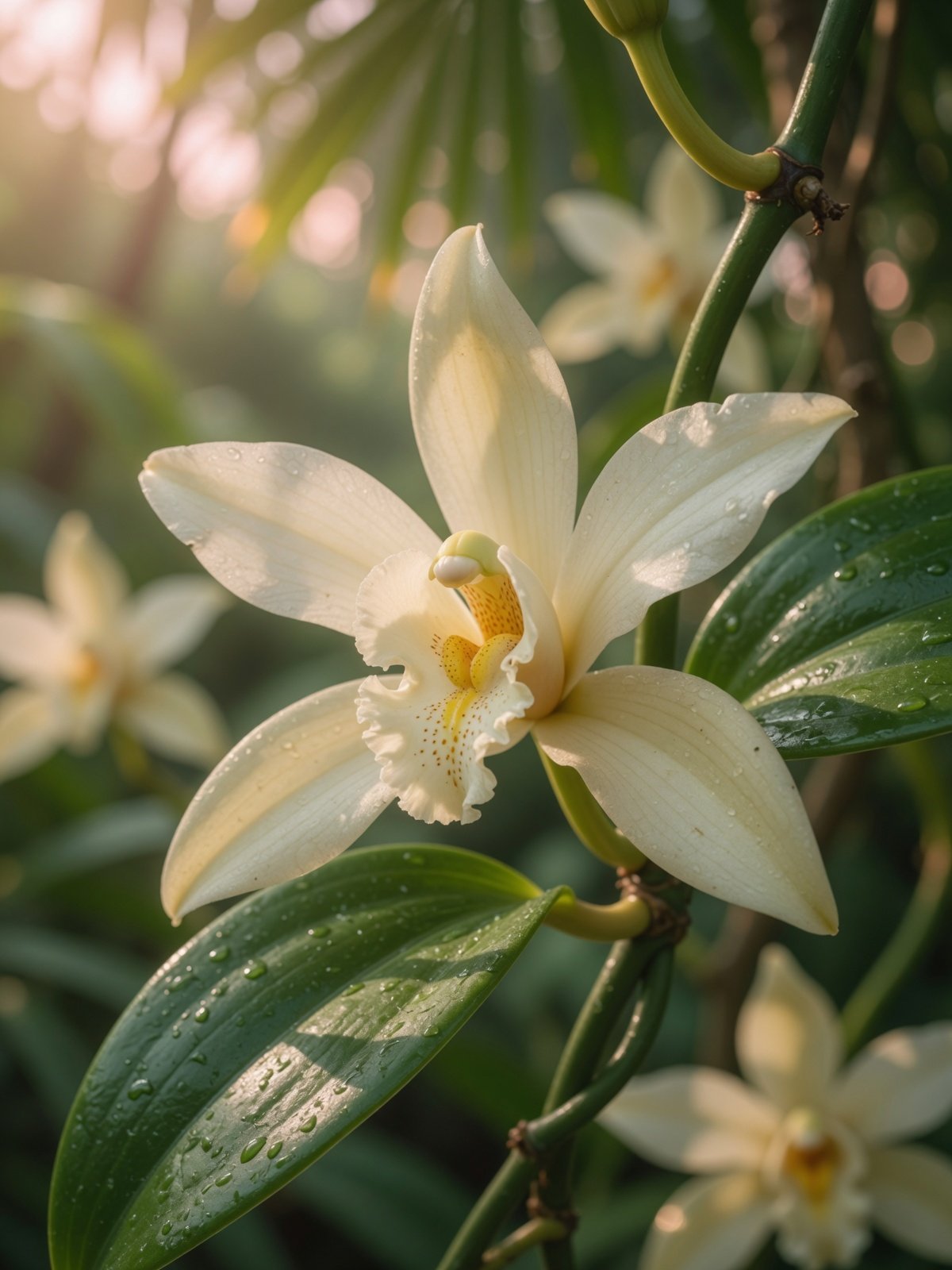
Vanilla's aroma isn't one compound. Cured pods contain more than 250 volatile compounds, but one dominates: vanillin, the molecule responsible for the core 'vanilla' note. Around it, a supporting cast — anisic tones, warm spice, a faint green top — builds the complexity that separates real vanilla from the flat single note of an imitation.
This is why temperature changes vanilla so dramatically. In a cold preparation, the heavier, sweeter compounds sit close to the nose and the aroma reads creamy and mellow. In heat — a warm custard, a hot ganache, a slice of cake from the oven — the lighter compounds lift first, and the aroma reads floral and brighter. Same pod, two different perfumes.
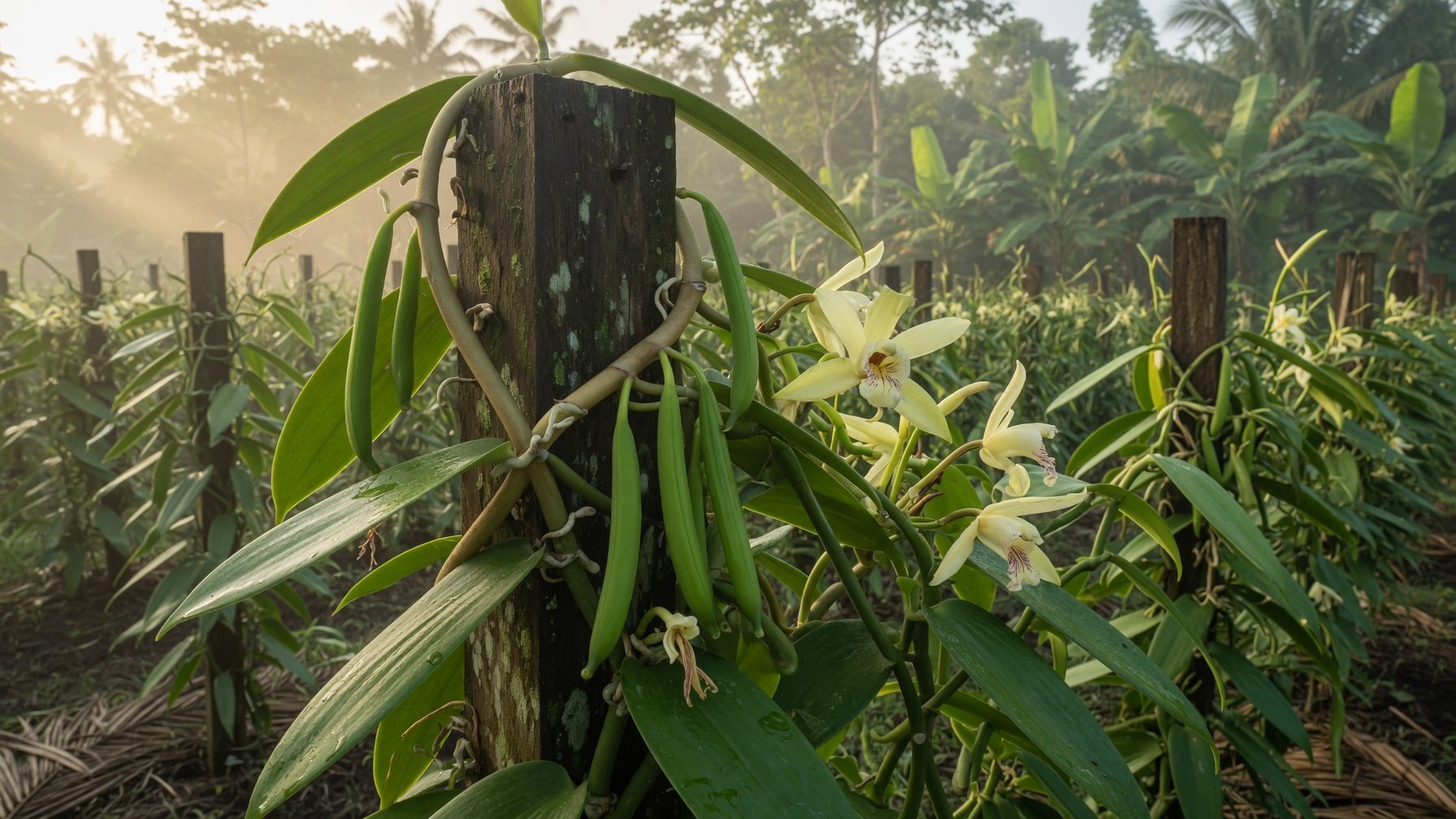
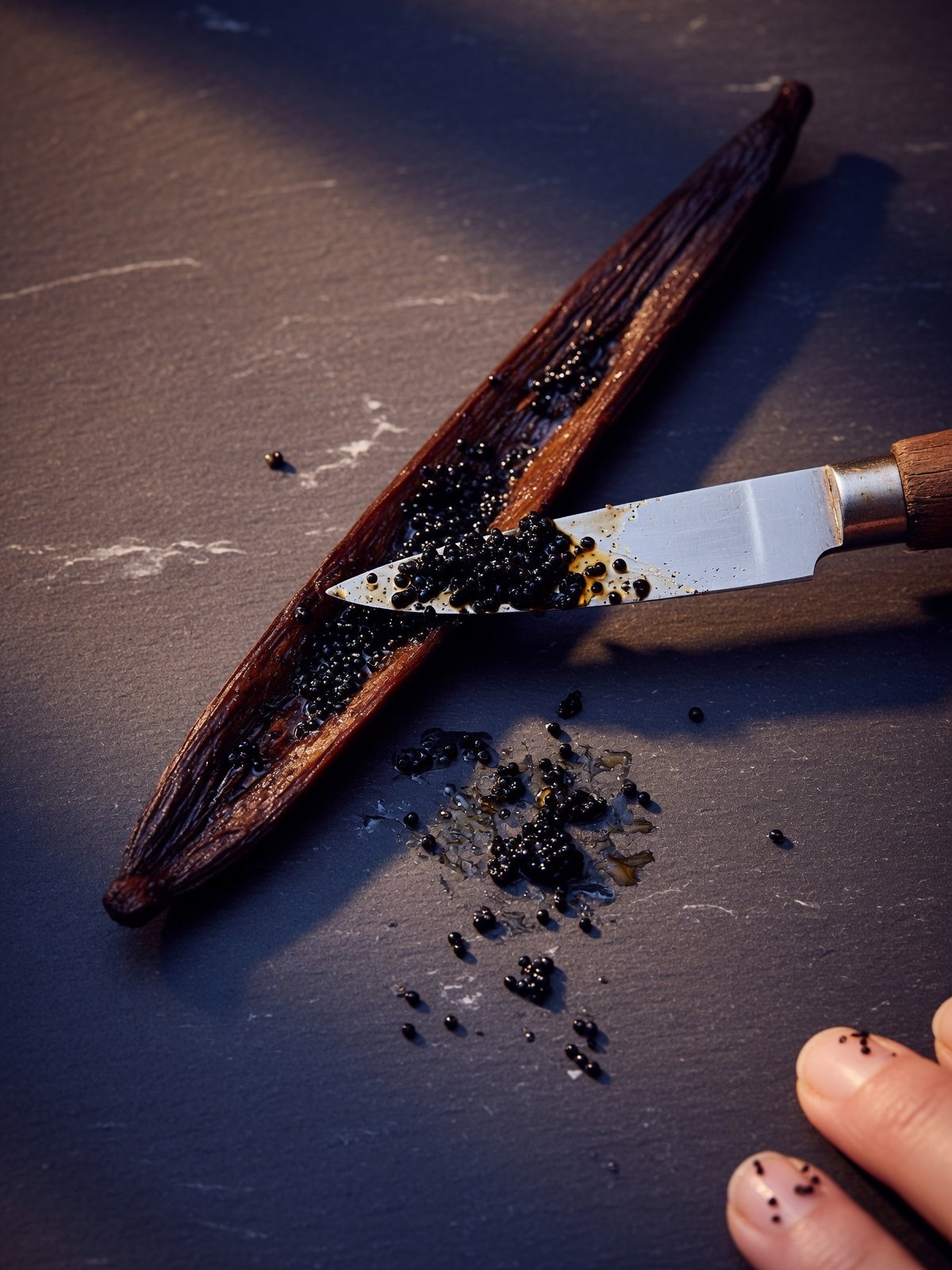
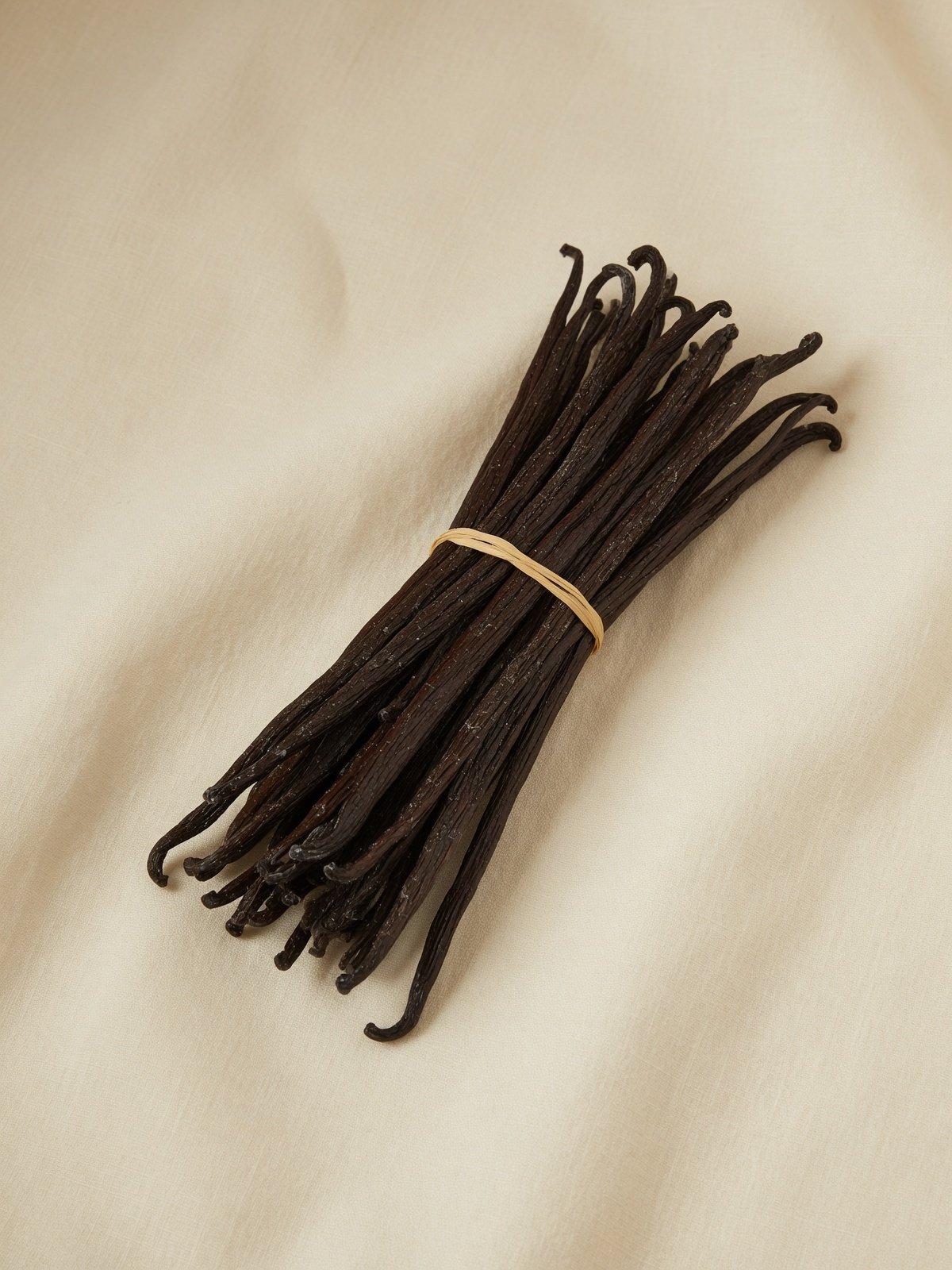
The cure is what builds the palette. A green pod holds the raw material for aroma, but the compounds that create the signature scent are largely formed during curing. This is why a well-cured bean smells rich the moment you break it, and why a cheap, poorly cured one smells like nothing until you heat it.
It's also why fresh is not better, for vanilla. Unlike fruit, a vanilla pod is not at its best straight from the vine — it's at its best weeks to months after curing, once the aroma compounds have settled into balance.
Learn to smell in two registers — cold and warm — and you'll start to judge vanilla the way a pastry chef does: not by strength, but by balance.